Turnip Trading Mastery: Navigating the Dynamic Economy of Animal Crossing New Horizons
- Feb 18, 2026
- 0
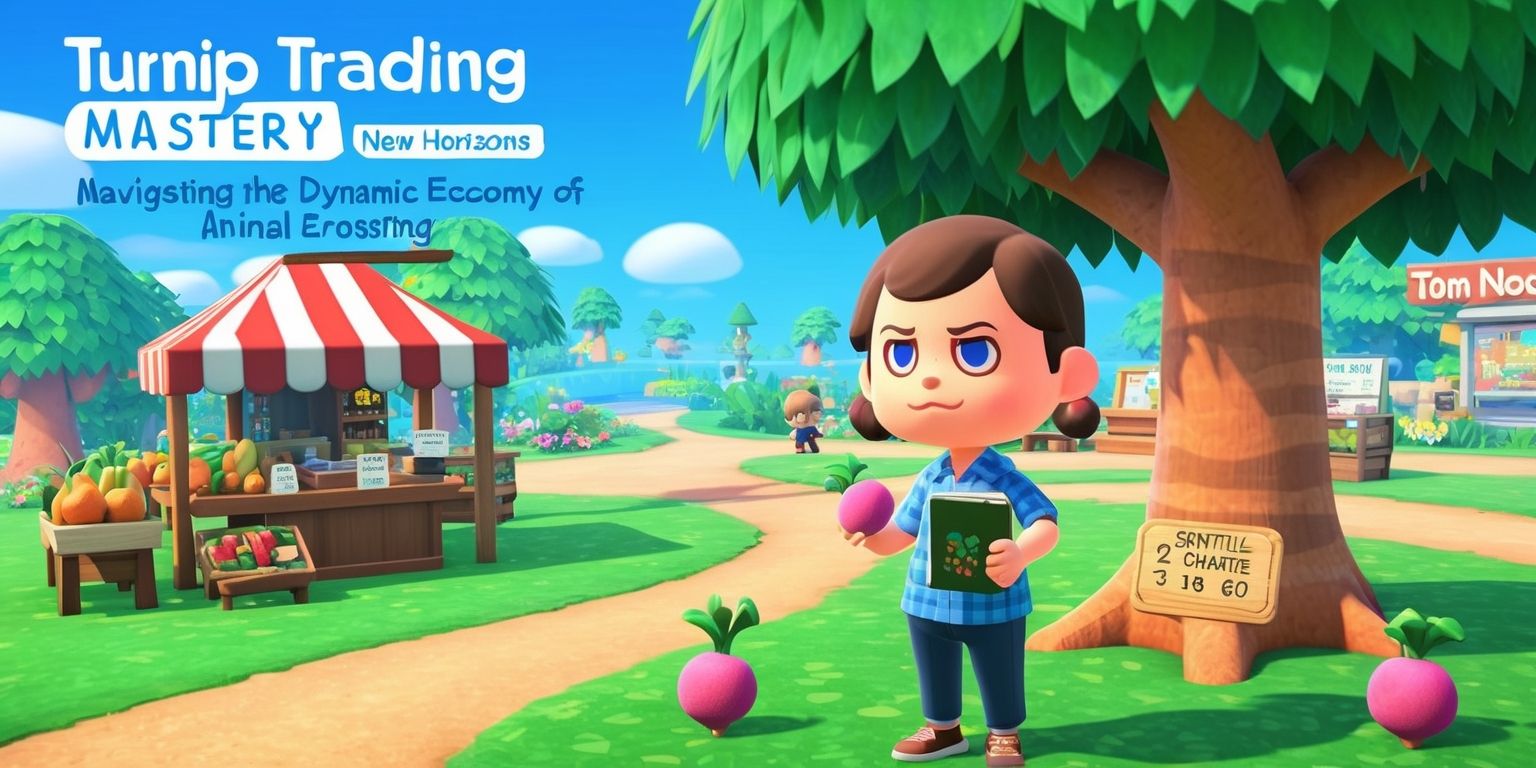
Animal Crossing: New Horizons weaves a vibrant narrative around its unique in-game economy, inviting players to dive into a dynamic trading world that extends beyond typical resource gathering. Embracing opportunities for reflection, strategy, and community interaction, the game challenges players to balance everyday earnings with larger investments. Among these, the turnip trading system—a playful nod to market speculation—offers a blend of risk, reward, and strategic finesse. By engaging with an ever-changing pricing mechanism and leveraging both personal island ventures and exchanges with friends, enthusiasts can witness how simple commodities can transform into lucrative assets. This exploration of turnip trading encapsulates not only a playful subplot but a microcosm of the game's broader financial ingenuity.
Exploring the Economic Ecosystem
The trading dynamics are an integral part of the island’s bustling market atmosphere. Within Animal Crossing, the turnip trade serves as a cornerstone to understanding the broader economy. Every week, players experience a renewing cycle where Daisy Mae, an endearing character, offers fresh bundles of turnips. The anticipation involved in these transactions lies in the difference between purchase and selling prices, creating a deeply engaging economic puzzle. Players must study the rhythm of the market, waiting for the optimal moment when vendors, represented by characters like Timmy and Tommy, present a favorable buying rate. Amidst a backdrop of evolving seasonal updates, community-driven trades, and the challenge of infrastructure investments, these economic moments bring a sense of strategic satisfaction and excitement to the gameplay.
Navigating the Weekly Turnip Cycle
Each week, a predictable yet suspenseful cycle unfolds. Starting on Sunday, the arrival of turnips sets a timer into motion as players stock up in anticipation of fluctuating prices. Daisy Mae's presence in the early morning hints at starting opportunities, yet the trade becomes a careful race against time until the next Sunday, when the merchandise loses its value. This cyclical nature encourages players to manage their time and inventory wisely, balancing immediate needs with potential future gains. With every new week, the market restarts afresh. Home storage limitations push players to be creative, often leading to ingenious methods of safeguarding their turnips from other visitors. In this meticulous routine, every decision holds both risk and promise.
Decoding Intricate Market Patterns
Delving deeper into the stalk market reveals a rich tapestry of price fluctuation patterns. The market can mimic various trends, each offering unique strategic challenges. Spike patterns stand out as particularly enticing when prices escalate dramatically after initial dips, providing moments ripe for profit maximization. In one scenario, prices may rise modestly then surge, representing gradual shifts that reward patience. Conversely, a decreasing pattern warns of a gradual decline without any short-lived peaks, urging traders to consider alternative selling venues if necessary. Additionally, the fluctuating or random patterns present a challenge of their own, forcing players to monitor minute-by-minute changes. This unpredictability cultivates a sense of excitement, as each pattern not only tests one’s timing but also the preparedness to adapt strategies in real time.
Strategies for Maximizing Returns

Success in the turnip trade rests on choosing the precise moment to sell. Players frequently face the dilemma of whether to hold on for potential higher bids or secure a modest gain before a downturn. With morning and noon price shifts, timing plays a crucial role in maximizing returns, particularly when a surge occurs amidst otherwise declining trends. Some players take calculated risks, waiting until signals indicate a peak, while those less inclined to gamble may settle for a reliable, albeit lower, profit. Even in the face of initially tepid pricing, determination and patience can transform a modest beginning into a lucrative outcome. The continuous evaluation of market signals and the strategic planning behind each sale are the cornerstones of this engaging in-game financial endeavor.
Innovative Tactics for Turnip Preservation
Preserving the turnip inventory until the optimal selling point requires both ingenuity and caution. Given that turnips lose their worth after a single week, players must carefully secure their investments. The game restricts home-based storage options, prompting players to find alternative ways to protect their commodities. Many opt to place their turnips in secure outdoor areas or within indoor spaces where visitor interference is minimized. Fencing off designated areas has become a creative solution to prevent accidental collection by curious island residents. These small yet essential strategies not only protect potential profits but also enrich the player’s overall engagement with the game’s mechanics. It is this element of tactical resource management that adds Infusing complexity into what might otherwise be straightforward transaction.
Managing Time and In-Game Adjustments
Time plays a pivotal role in the turnip market’s unpredictable rhythm. The temptation to alter the game’s clock may arise, yet such adjustments come with significant risks. Manipulating the game’s internal calendar can disrupt the established price trends and scramble predictions, potentially leading to lost opportunities. Even slight shifts in time may reset the delicate balance of market indicators, causing previously set patterns to vanish. This facet of the game requires players to adhere to natural cycles, reinforcing the importance of patience and calculated planning. As a result, managing time becomes an intricate part of the strategy, where the potential gains from one’s intuition are closely monitored against the possibility of unintended in-game consequences.
Understanding Market Variability and Patterns
In the variable landscape of turnip trading, understanding the inherent patterns is essential for a successful enterprise. Players may encounter distinct trends, such as an initial slump followed by a sudden surge—a phenomenon reminiscent of a financial spike that offers a classic golden opportunity. In contrast, a steadily decreasing trend necessitates prompt and strategic decision-making, often driving the need to seek alternative markets beyond one’s island. The fluctuating mode, with its erratic oscillations, demands an adaptive and observant approach to avoid losses. This mix of trends encourages players to engage in detailed tracking of prices, fostering a sense of anticipation. The challenge lies in accurately reading the market and knowing when to confidently make the move that secures the best possible profit margin.
Social Dynamics and Trading With Friends
When market conditions turn unfavorable, the social aspect of Animal Crossing emerges as a valuable resource. Trading turnips is not a solitary adventure; interaction with friends can provide a lifeline when prices appear stubbornly low. By visiting each other's islands and comparing real-time market conditions, players It can uncover potential opportunities that might easily be overlooked. This cooperative strategy turns the solitary trading endeavor into a communal experience, broadening the scope of profit opportunities. Communication, mutual support, and even shared insights into recurring patterns contribute to a robust in-game economy. The collaborative trading system enriches the overall experience, reinforcing the game’s theme of community and interconnectedness while expanding the horizons of turnip trading beyond the confines of one’s island.
Visual and Functional Appeal of the Trading System
The aesthetics and functionality of the turnip trading apparatus are emblematic of the game’s overall charm. Visual cues, character animations, and carefully designed market interactions create a richly detailed environment that captivates players. The charming appearance of Daisy Mae, paired with the whimsical portrayal of the market through Timmy and Tommy's exchanges, infuses the trading experience with personality and attitude. This blend Merging practical efficiency with creative brilliance not only paves the way for financial gains but also provides an avenue for deeper value immersive scene that elevates everyday transactions into a delightful gaming ritual. Attention to detail in each graphic and sound cue serves to reinforce the authenticity of the market, enticing players to engage deeply with every facet of the trade process.
Broadening Horizons Through Alternative Trading Routes
Even when the primary market shows little promise, alternative trading avenues offer new possibilities. Players sometimes venture off their own island to interact with others in search of more favorable prices. This expansion of focus encourages exploration and can lead to unexpected economic wins. By engaging in inter-island transactions, one not only diversifies their economic portfolio but also experiences a different cultural exchange within the game. This practice enriches the overall gameplay, bridging the gap between solitary management and community interaction. Through these diversified strategies, players learn to navigate a vast array of market conditions, ultimately enhancing their overall proficiency in the nuanced art of turnip trading. The adaptive nature of the system challenges even seasoned traders to remain alert and innovative.
Engagement with Seasonal and Thematic Updates
The turnip trading mechanism is dynamically influenced by the rhythm of seasonal and thematic updates in Animal Crossing. New content releases bring unique items and thematic events That not only revitalizes its visual charm but also alter market conditions. After periods of festive celebrations and seasonal transitions, players find themselves reassessing their approach to the trade strategy. Limitation on special items encourages timely participation, and turnip profits often serve as the perfect catalyst to enable these seasonal indulgences. This interplay between the game's intrinsic economic system and its evolving narrative framework creates a multi-layered experience. The ever-changing nature of the game’s updates means that the strategies for maximizing turnip profits must evolve, keeping gameplay both challenging and thoroughly engaging.